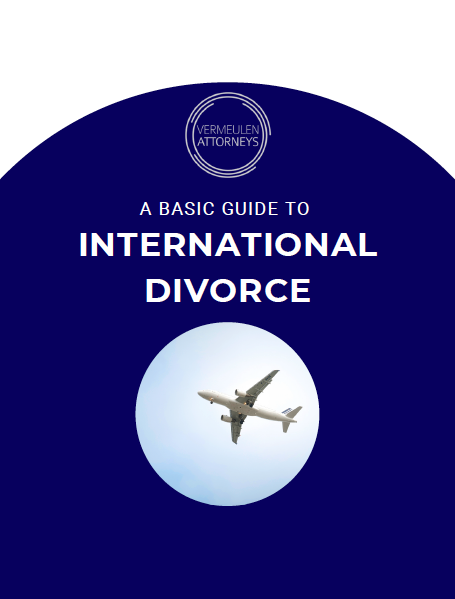
Navigating an international divorce presents unique challenges that are often more complex than those in domestic divorces. These difficulties arise from factors such as conflicting laws, jurisdictional issues, and the practicalities of executing divorce orders across borders. In this blog, we explore some of the key pitfalls associated with international divorces, focusing on conflict of laws, jurisdictional challenges, difficulties in executing orders, and matters related to children.
1. Conflict of Laws: Navigating Different Legal Systems
One of the most significant issues in international divorce cases is the conflict of laws. Different countries have distinct legal systems, each with its own rules governing marriage, divorce, and the division of assets. For example, some countries may recognize community of property regimes, while others apply different principles altogether.
For South Africans living abroad, this is particularly problematic when dealing with countries that do not recognise South African antenuptial contracts.
In expat divorce matters, the challenge arises when determining which country’s laws should apply to the divorce, especially when the parties hold assets in multiple jurisdictions or were married under a legal regime from another country. This situation is commonly referred to as a “conflict of laws” issue, and resolving it typically requires the expertise of a global divorce attorney who understands cross-national family law and can guide clients through the complexities of these overlapping legal systems.
2. Difficulty in Executing Divorce Orders Across Borders
Even after a divorce order is granted in one jurisdiction, executing that order in another country can be a complex and time-consuming process. This issue is particularly relevant when it comes to enforcing maintenance orders, dividing international assets, or arranging cross-border child custody.
Different countries may have varying levels of cooperation when it comes to recognizing and enforcing foreign divorce orders. Reciprocal enforcement agreements exist between certain nations, but these are not universal. The lack of such agreements may require additional legal proceedings to enforce orders, making the process more cumbersome and expensive.
3. Jurisdiction: Establishing Which Court Has Authority
Jurisdiction is perhaps the most crucial consideration in any international divorce. Establishing which country’s courts have the authority to hear and decide the matter depends on where the parties are domiciled or ordinarily resident. As explained in the Divorce Act of 1979 and the Domicile Act of 1992, South African courts can adjudicate a divorce if one of the parties is either domiciled or ordinarily resident in South Africa for at least one year before the divorce proceedings commence.
However, when both spouses are living abroad, determining the appropriate jurisdiction can be challenging. It is crucial to determine where each party intends to reside permanently, as this can impact which legal system applies and how the divorce is processed. Mistakes in this regard can lead to unnecessary delays, complications, and even disputes over the validity of divorce orders.
4. Issues Related to Children in International Divorces
Matters involving children are always delicate in divorce proceedings, but they become even more complex when multiple jurisdictions are involved. Disputes related to child custody, visitation rights, and maintenance across borders often require special consideration.
The Children’s Act 38 of 2005 plays a central role in protecting the rights and welfare of children in South African courts. However, when dealing with international divorces, cross-border child custody disputes may involve international treaties such as the Hague Convention on International Child Abduction. These treaties aim to protect children from wrongful removal or retention across borders, but the process of securing the return of a child or enforcing custody orders in another country can be lengthy and contentious.
In cases where parents reside in different countries, logistical challenges such as travel arrangements, long-distance parenting, and compliance with differing legal requirements add layers of complexity to co-parenting agreements.
Avoiding the Pitfalls: Professional Guidance for International Divorces
The complexities of international divorces should not be underestimated. Without the right legal guidance, issues related to conflicting laws, executing orders across borders, jurisdictional disputes, and child-related matters can lead to delays, additional costs, and frustration.
At Vermeulen Attorneys, our team of global divorce attorneys specializes in providing expat divorce services tailored to your unique circumstances. We assist clients in navigating divorce jurisdiction issues, resolving cross-border conflicts, and ensuring that international family law principles are applied effectively. Our expertise in international divorce settlements ensures that you receive sound advice and practical solutions every step of the way.
Frequently Asked Questions:
What is a conflict of laws in international divorces?
How do I enforce a South African divorce order overseas?
Which court has jurisdiction in an international divorce?
What happens if my spouse refuses to comply with a divorce order in another country?
How are child custody arrangements handled in international divorces?
Can I still get divorced in South Africa if my spouse lives overseas?
What role does the Children’s Act play in cross-border divorces?
What are the biggest challenges in dividing international assets?
How can I reduce the complexity of an international divorce?
Can mediation help in international divorces?
Contact Vermeulen Attorneys for Professional International Divorce Solutions
If you are facing an international divorce or have concerns about cross-border divorce proceedings, Vermeulen Attorneys is here to help. Our international divorce lawyers provide expert advice on multinational divorce solutions, cross-border family law issues, and the complexities of executing divorce orders across jurisdictions.
Contact us today to book a consultation and receive professional assistance with your cross-border divorce matters.